






















 Ordering a Cover
  Lead Times
  No Sales Tax
  Made in USA
 Browse Boat Covers by Style
Compare your boat’s hull and equipment, then select the closest available style and size below.
What Is a Semi-Custom Boat Cover?
A semi-custom cover is patterned for a boat category and size range—not one exact year, make, and model. Match the hull and permanent equipment first, then use your boat’s measurements to select a size. Learn more about semi-custom fit.
Search Boat Styles
50 available styles
Runabouts
Open-cockpit family boats, performance hulls, and jet boats.
| Style | Why the Cover Differs | Select |
|---|---|---|
|
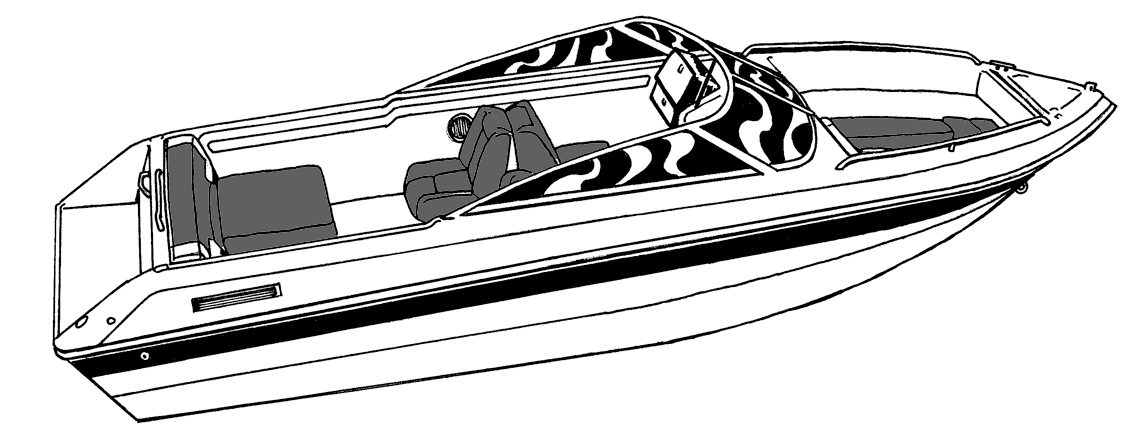
The pattern adds height over the full windshield and shapes the bow separately from low-profile runabout covers. | Select |
|
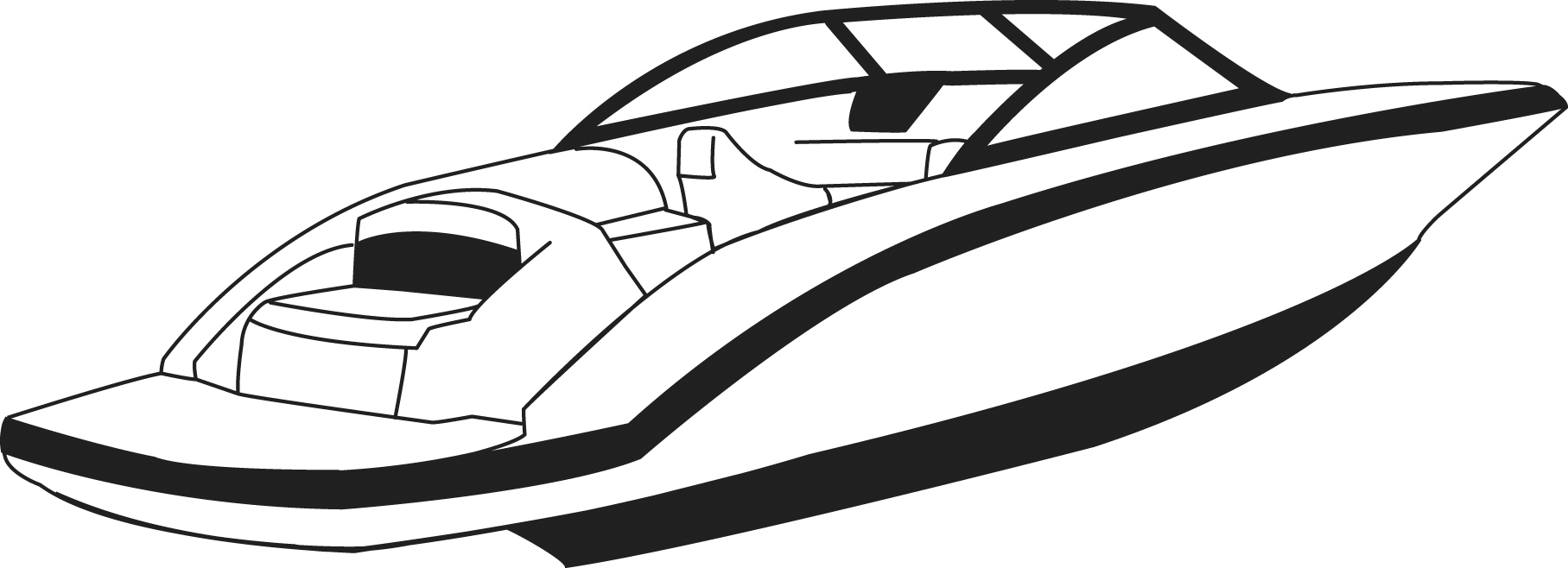
The rear cut is shaped around the opening through the stern seating area; tower slots are not included. | Select |
|
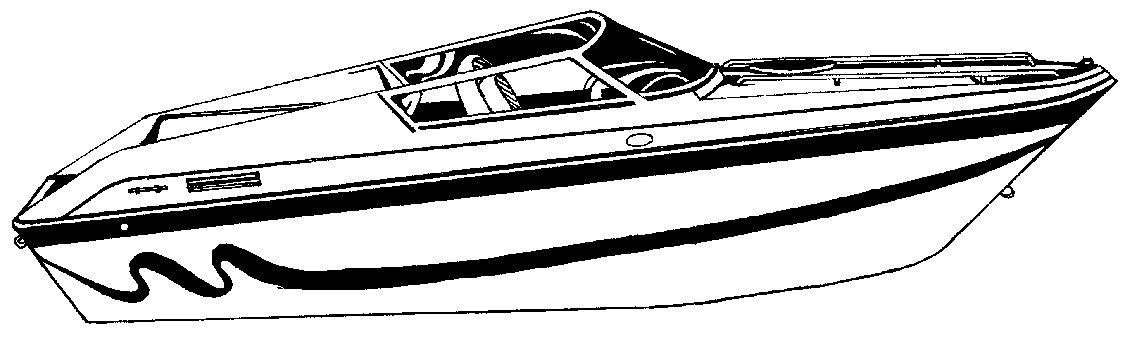
The long foredeck and compact cockpit require a narrow, low-profile cut instead of a bowrider-shaped cover. | Select |
|
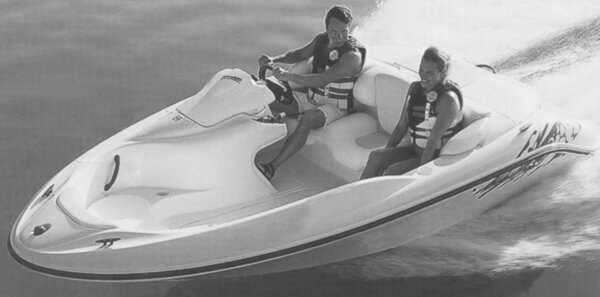
The pattern stays low over the stern because the jet drive has no exposed outboard or motor hood. | Select |
|
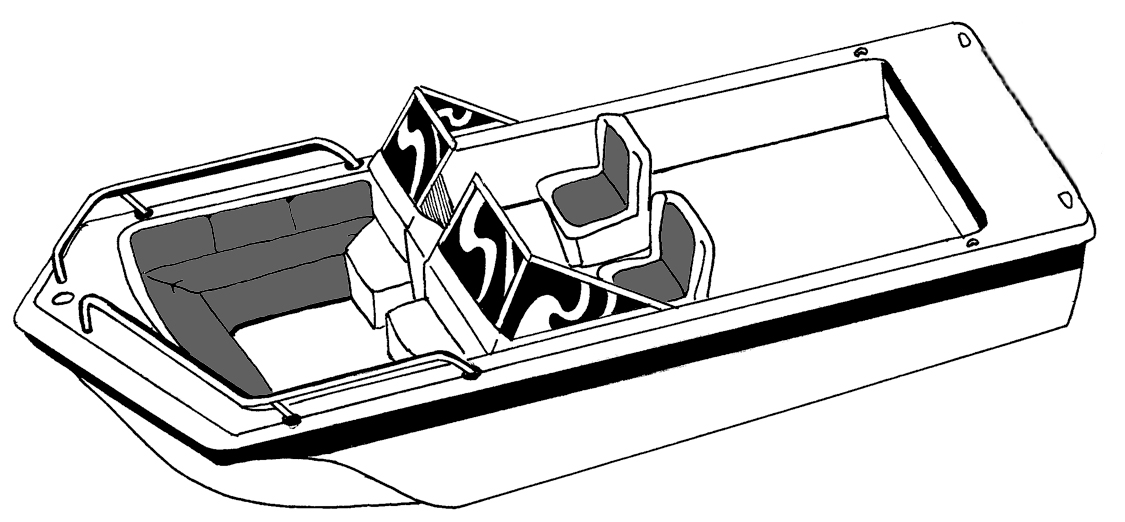
The broad cathedral bow needs extra cover width across its three-point front profile compared with a V-hull cut. | Select |
Cabin Boats
Cuddy cabins, day cruisers, and walk-around cabin layouts.
| Style | Why the Cover Differs | Select |
|---|---|---|
|
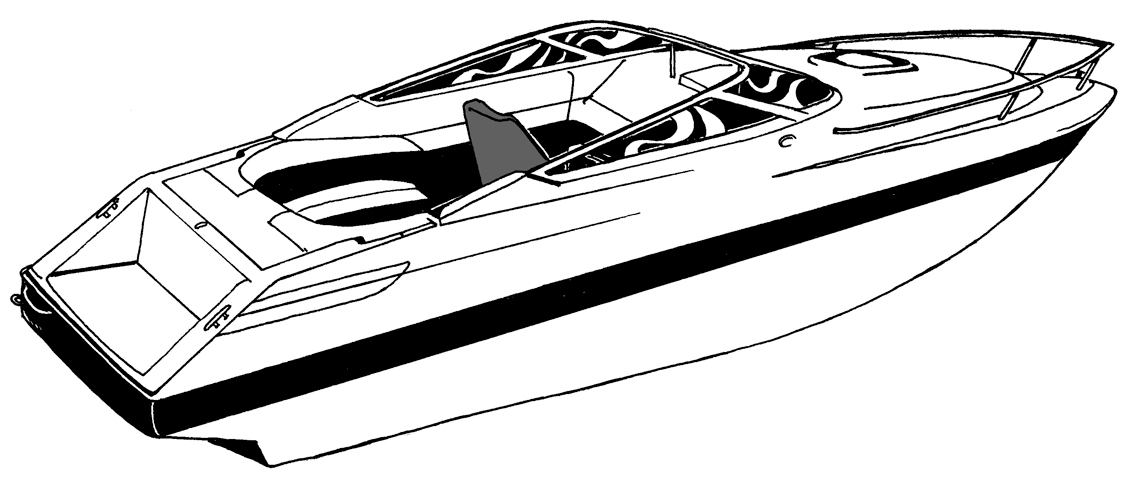
The cover rises over the short cuddy while remaining lower through the bow than a full cruiser pattern. | Select |
|
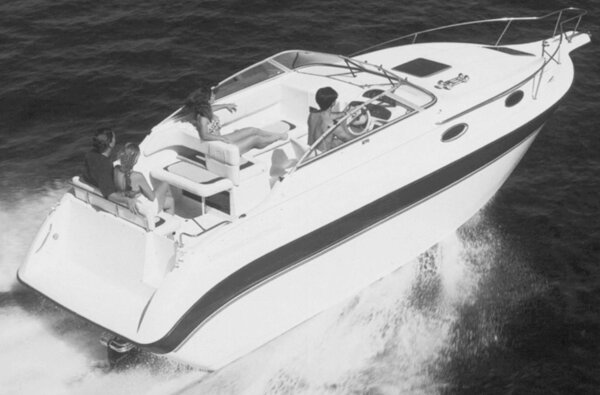
Extra material is shaped over the tall cabin and windshield; any bow pulpit must be included in the cover length. | Select |
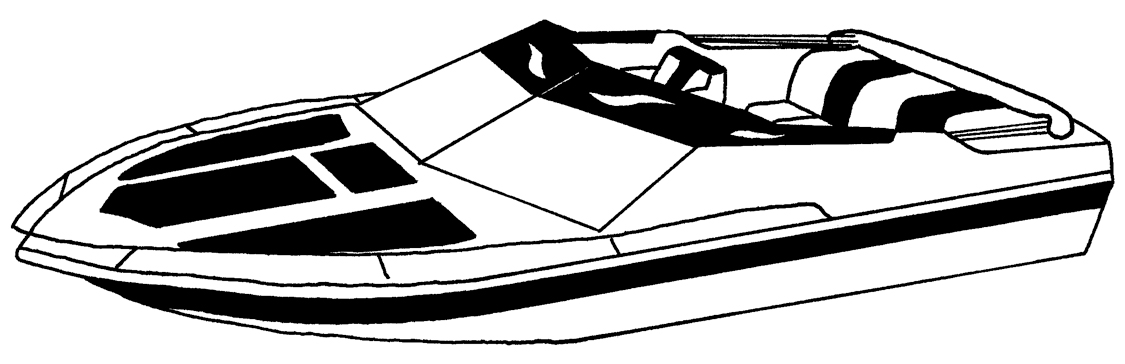
|
The cut transitions from a compact forward cabin to an open aft cockpit instead of covering a full-height cruiser cabin. | Select |
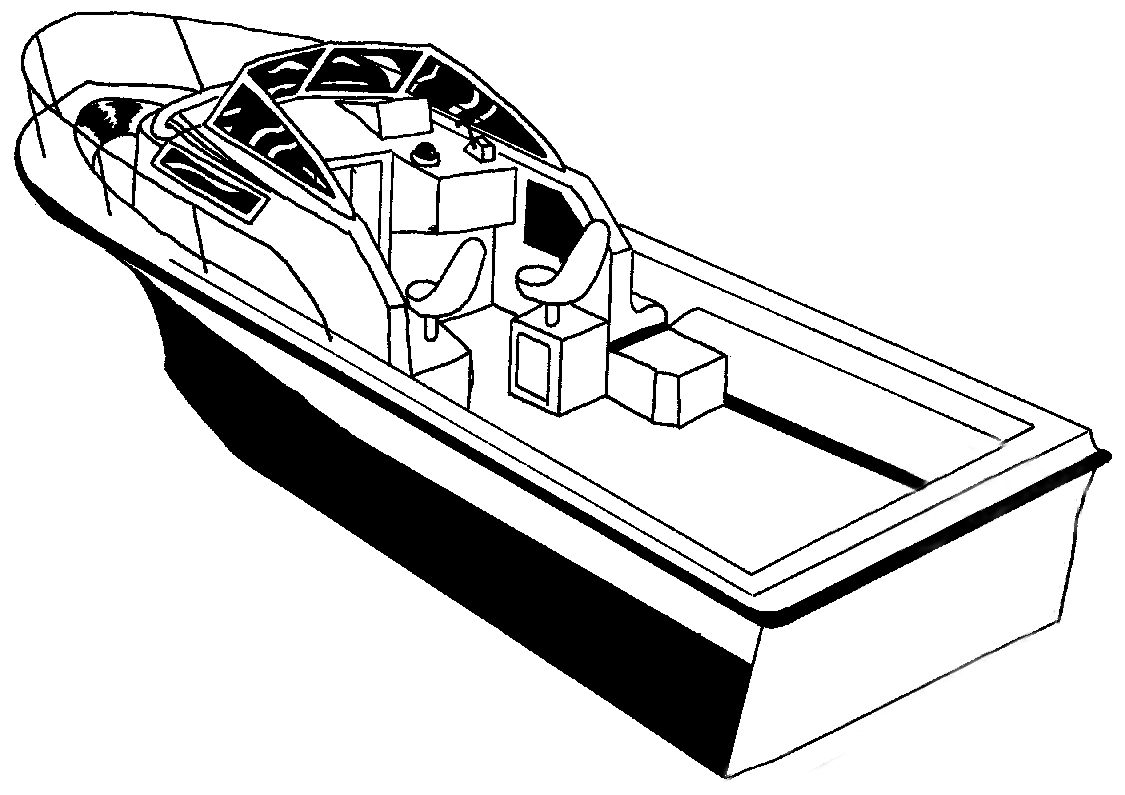
|
The cover spans the raised center cabin and walk-around side decks, with rear patterns for single or twin outboards. | Select |
Fishing Boats
Aluminum, bass, Jon, skiff, Whaler-style, and center-console boats.
| Style | Why the Cover Differs | Select |
|---|---|---|
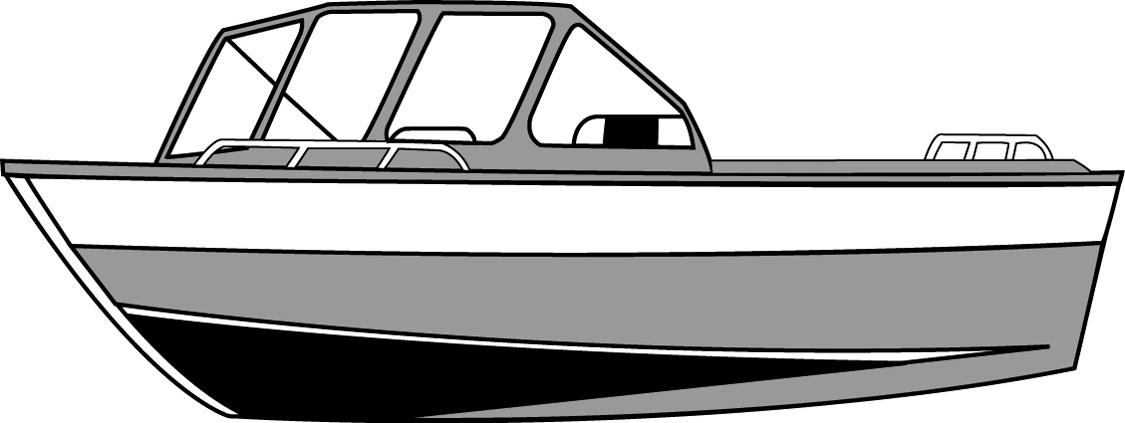
|
The cover is built higher near the bow to clear the forward-mounted windshield, with added width for extra-wide aluminum hulls. | Select |
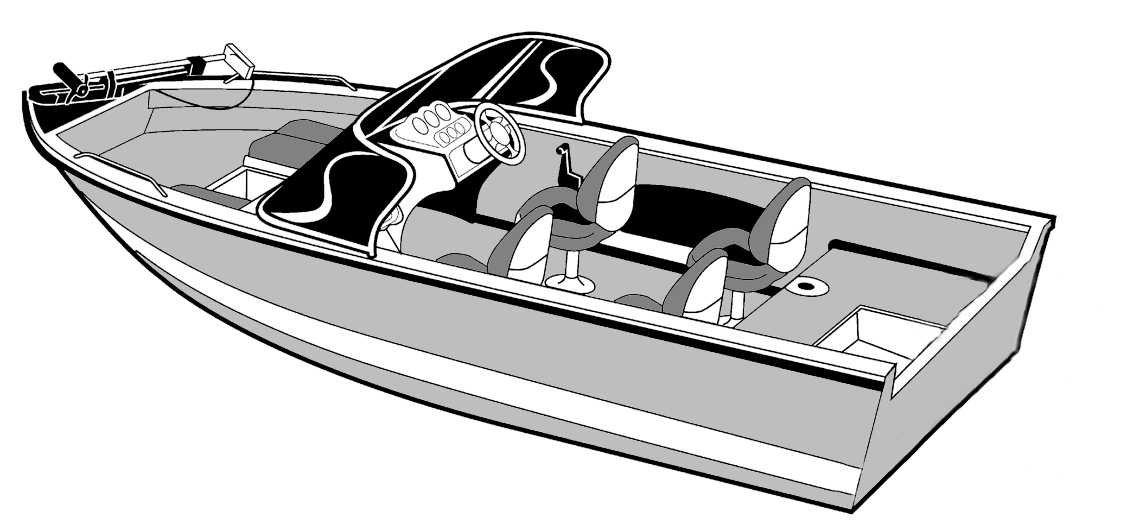
|
The full-width windshield raises the cover midsection; separate narrow and wide cuts keep excess fabric off the beam. | Select |
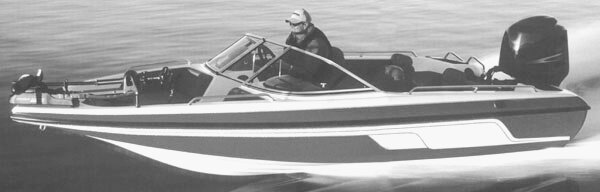
|
The cover clears the full windshield, trolling motor, and depth finder without using an open-fishing-boat cut. | Select |
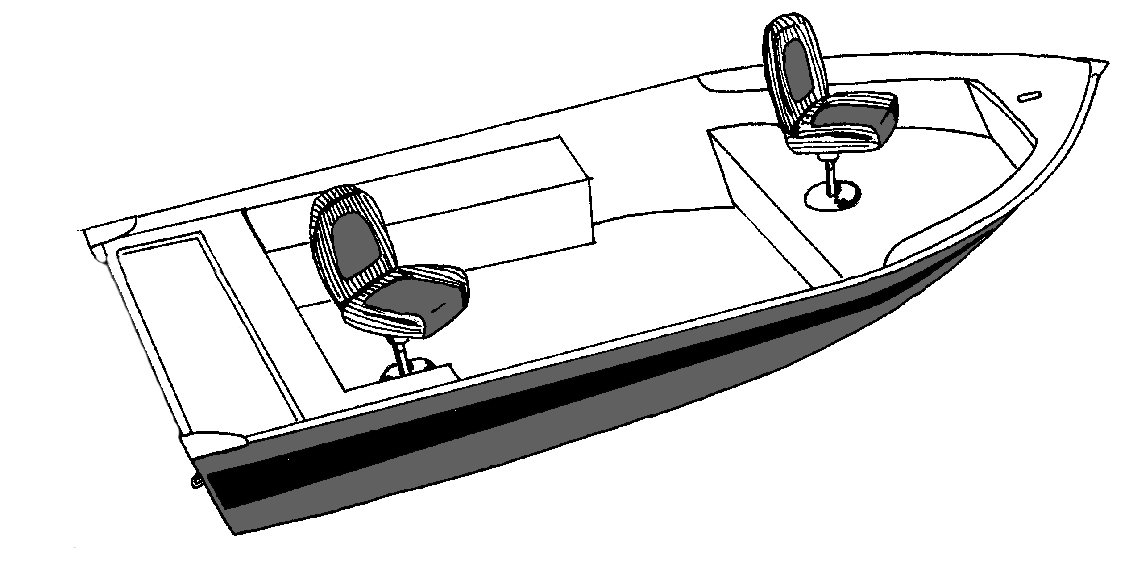
|
The cut carries more fabric across the beam so it reaches the gunwales without pulling tight over a wide V-hull. | Select |
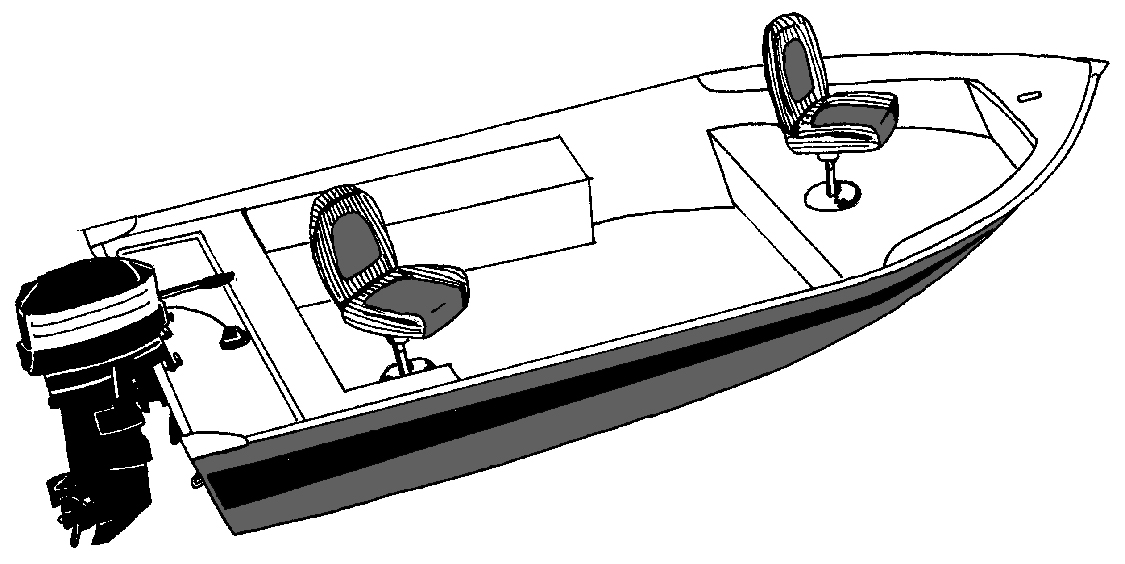
|
A narrower cross-boat cut reduces loose fabric and overhang on slim V-hulls. | Select |
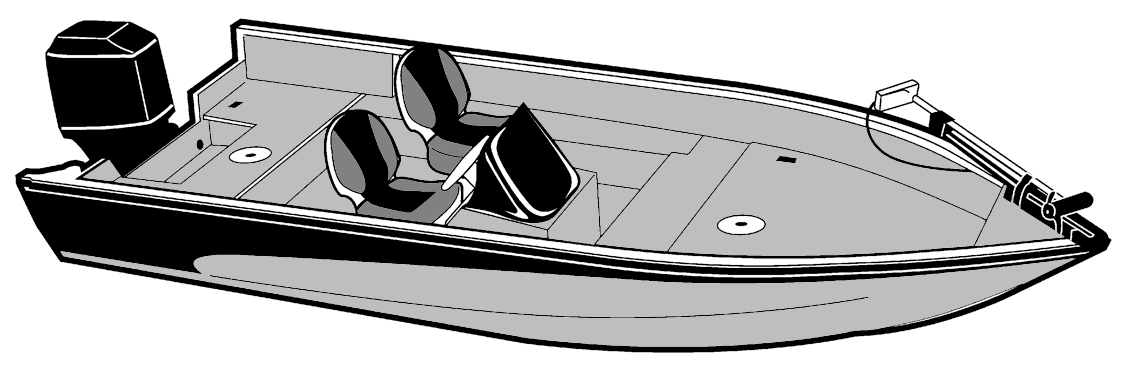
|
The pattern rises over the side console and windscreen while allowing cover room for a bow-mounted trolling motor. | Select |
|
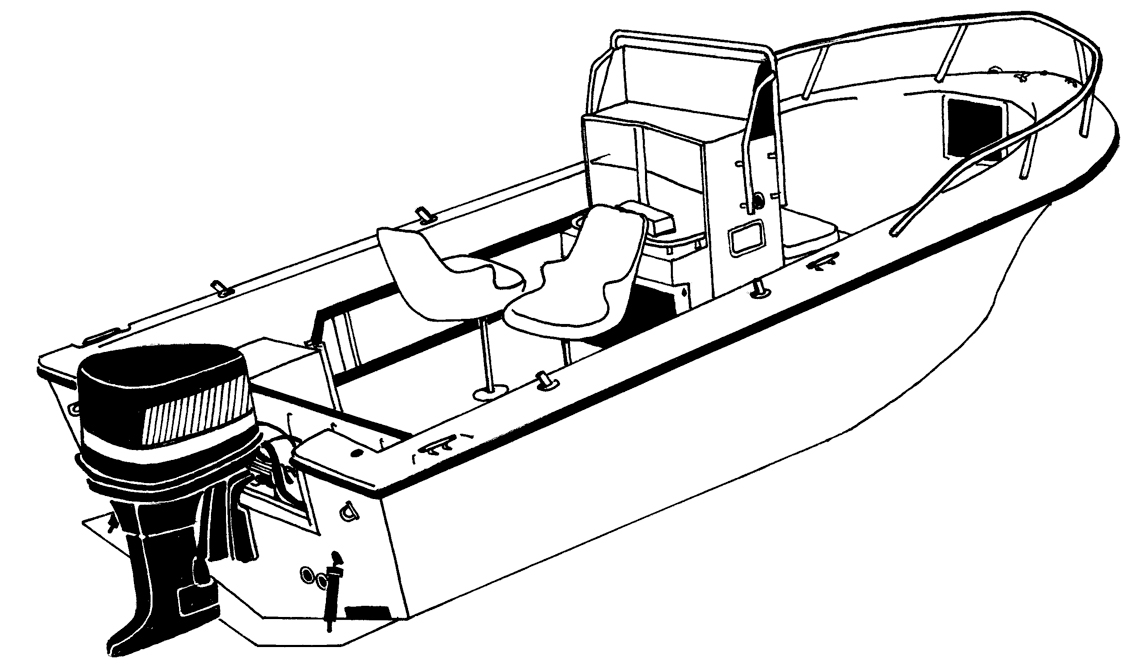
The cover clears the center console and high bow rails; rear coverage varies for single or twin outboards. | Select |
|
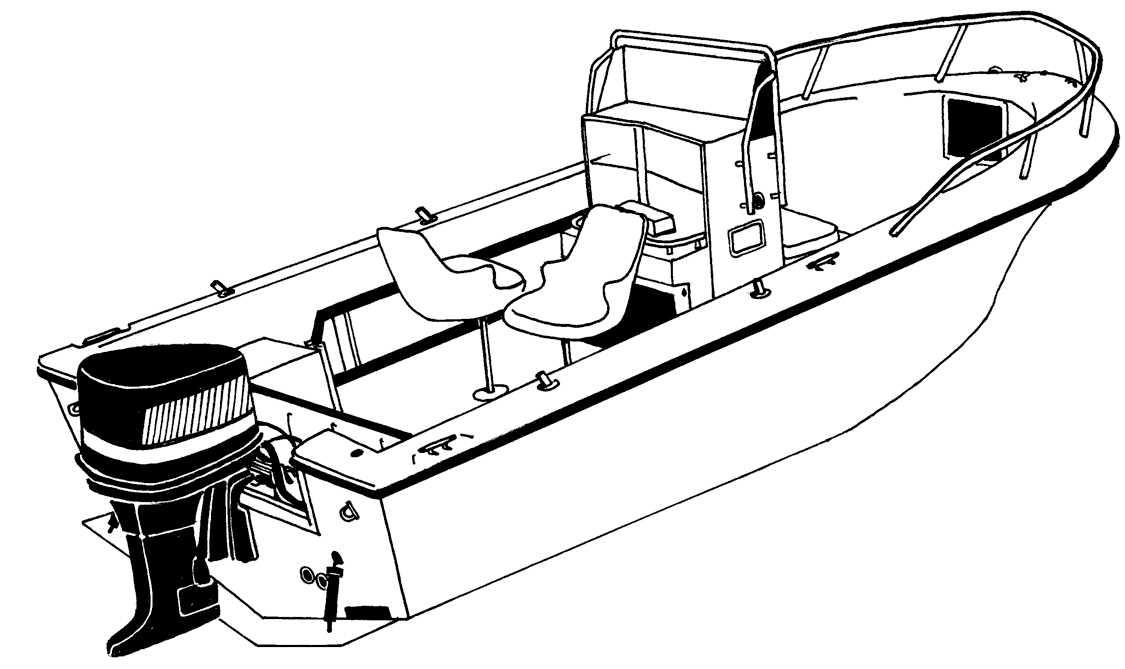
The rounded bow needs a broader front cut, while the pattern clears a console up to 50 in. and rails up to 18 in. | Select |
|
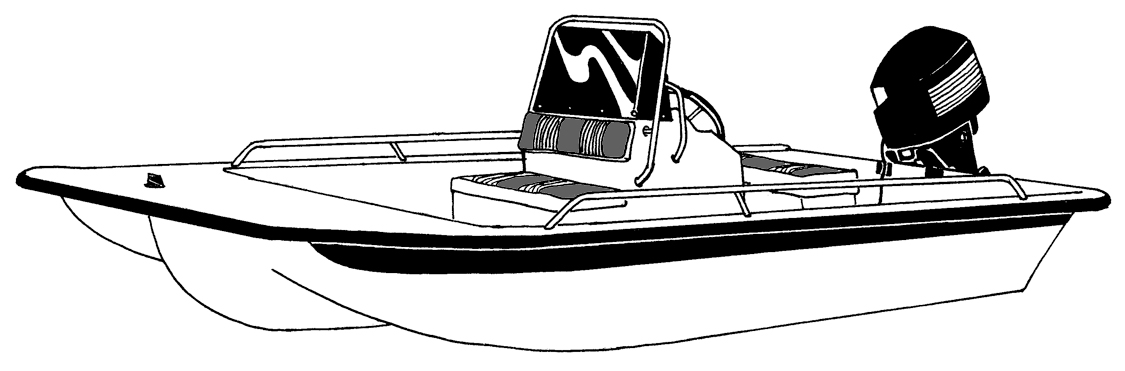
The broad shallow-draft bow and raised casting decks need a flatter, wider cover cut than a deep-V center console. | Select |
|
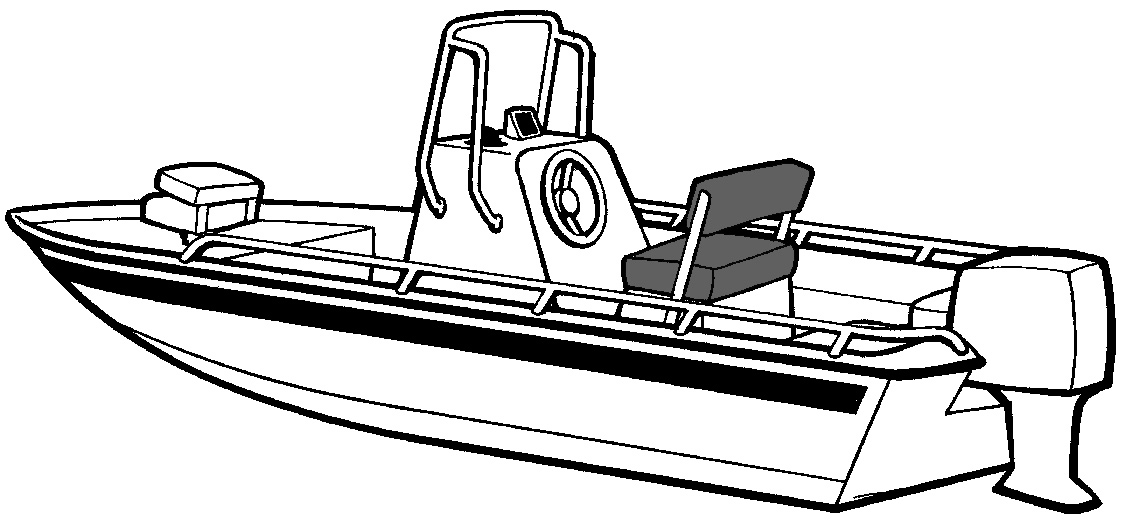
The cut follows the shallow V-hull and console without the extra height and rear coverage needed for a poling platform. | Select |
|
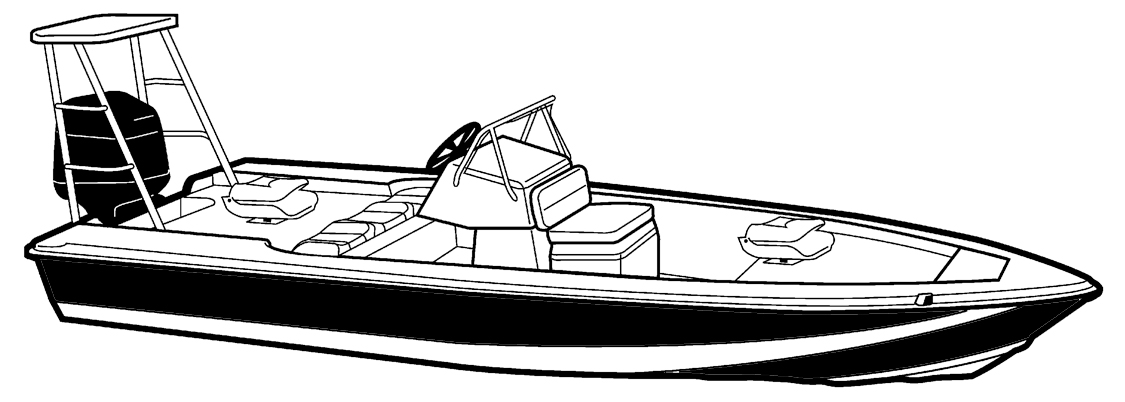
Extra cover height and rear length are built in for the raised poling platform as well as the center console. | Select |
|
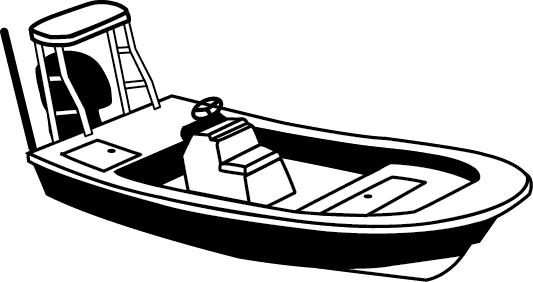
The front cover cut widens around the rounded bow, while the rear rises over the aft poling platform. | Select |
|
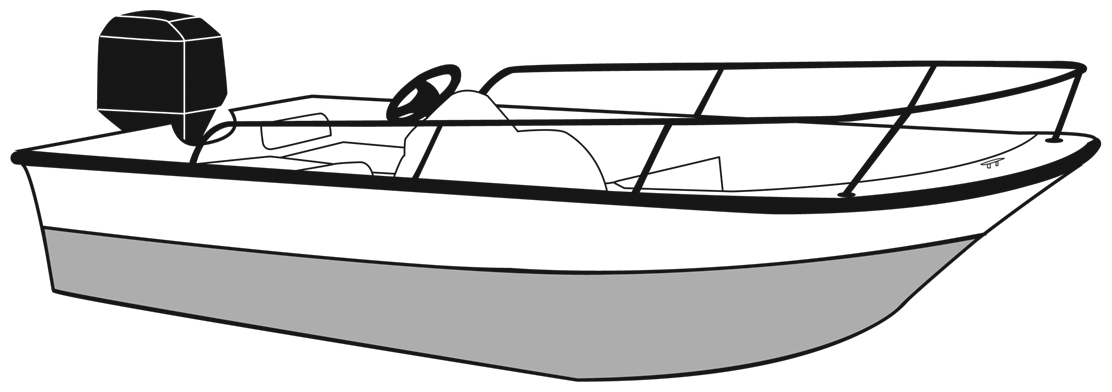
Allowance for both bow and side rails raises the cover perimeter above the side-rails-only pattern. | Select |
|
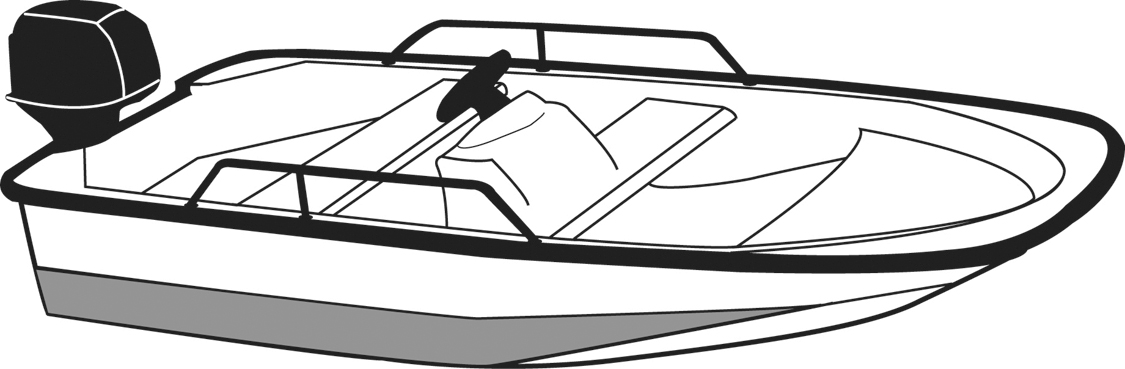
The pattern clears the side rails and small console without adding the cover height required for a raised bow rail. | Select |
|
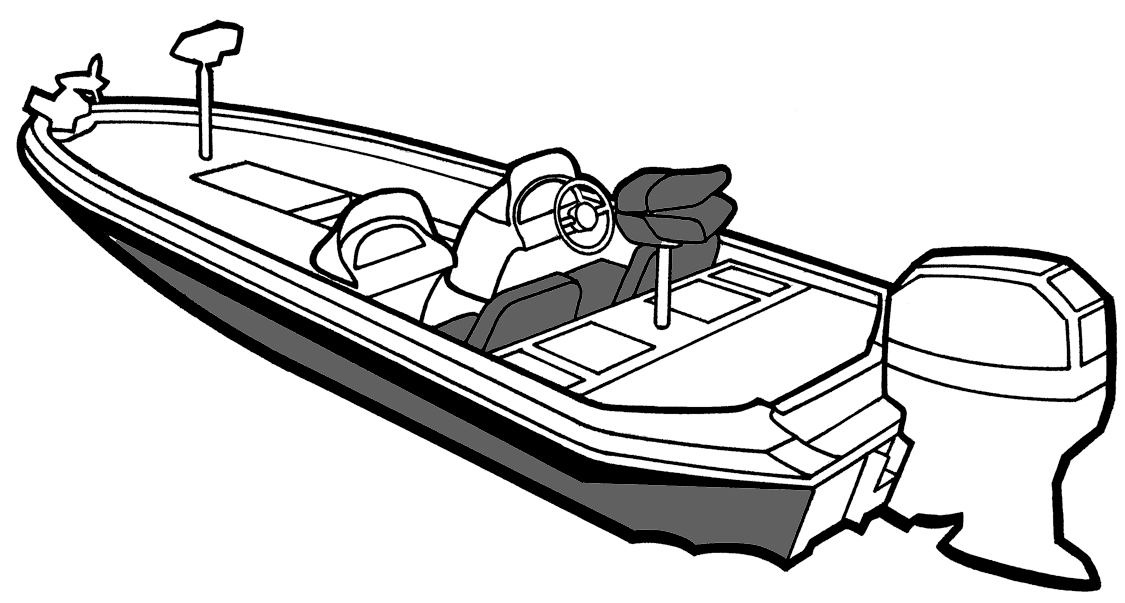
The rear cover cut follows the angled transom; trolling gear, folded pedestal seats, and any jack-plate extension affect coverage. | Select |
|
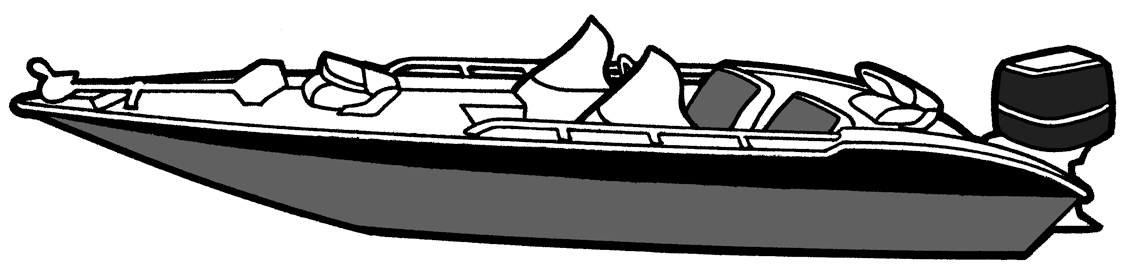
A broader cross-boat cut covers the wide casting decks without pulling the fabric tight across the beam. | Select |
|
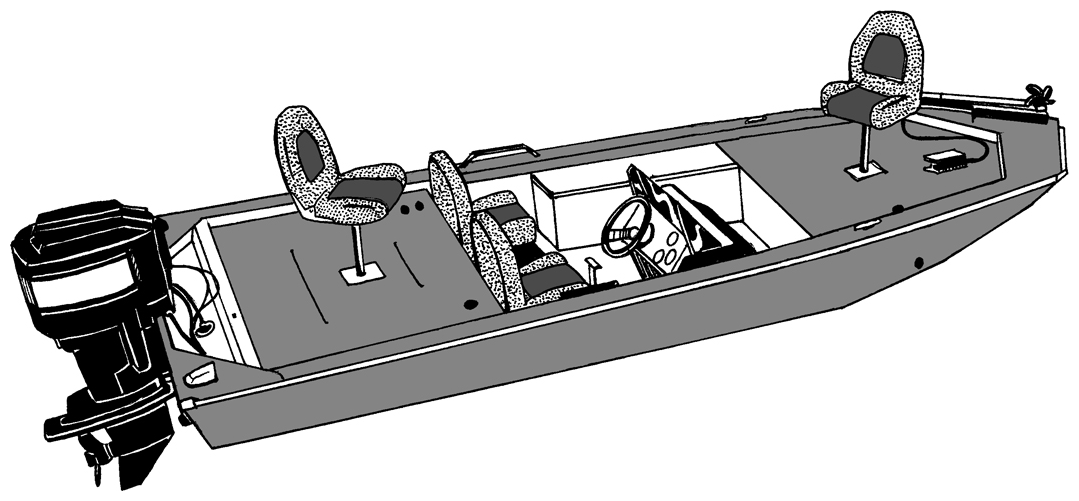
The pattern rises over the console, casting decks, electronics, and folded pedestal seats instead of lying flat over an open Jon hull. | Select |
|
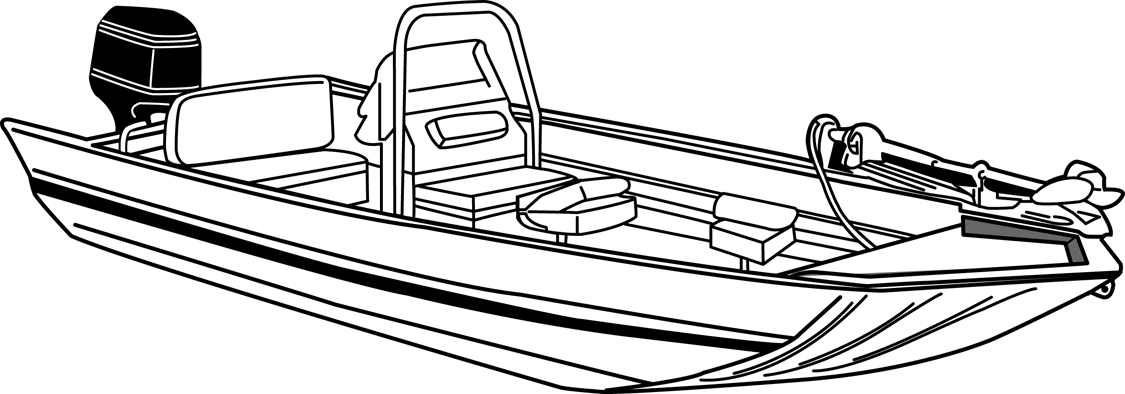
Extra center height clears the tall console, while wide-series cuts add beam coverage and an attached outboard cover. | Select |
|
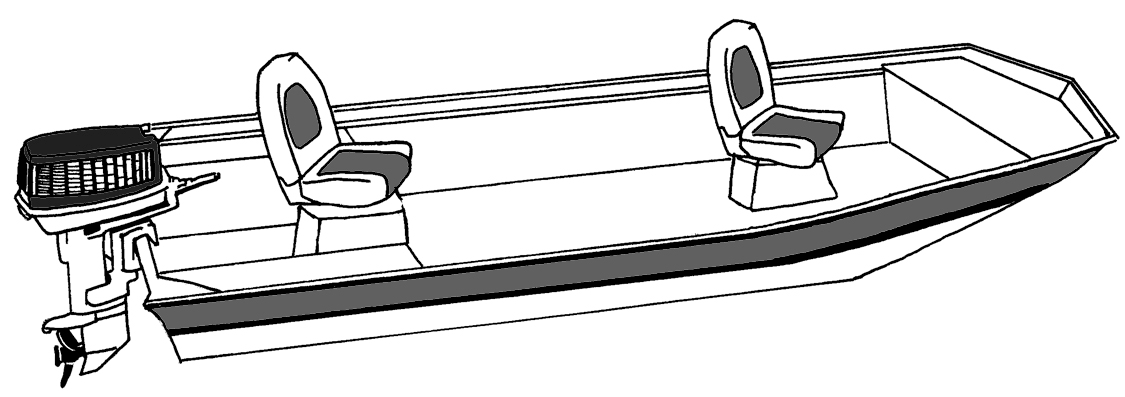
The low open layout uses a flatter cover cut with no console allowance, reducing loose material over the interior. | Select |
|
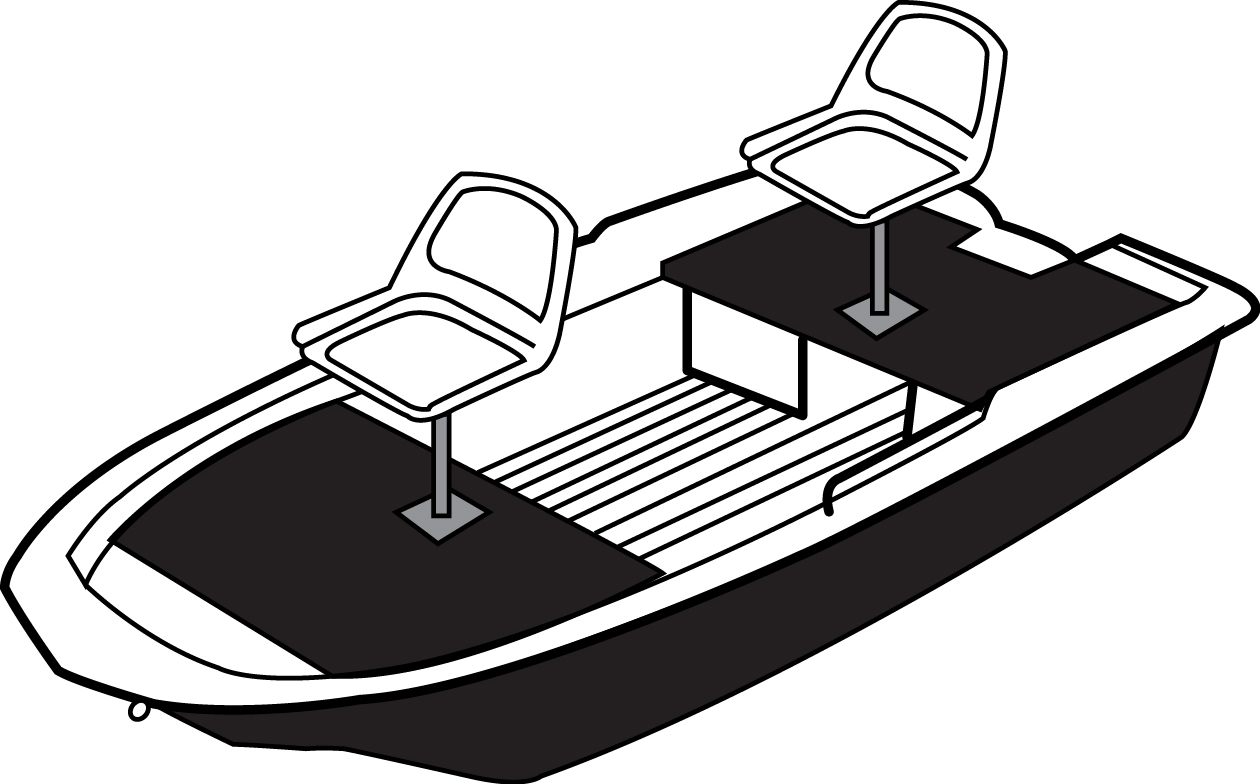
The pattern follows the rounded molded hull instead of the sharper aluminum-Jon profile and allows cover room for a trolling motor. | Select |
|
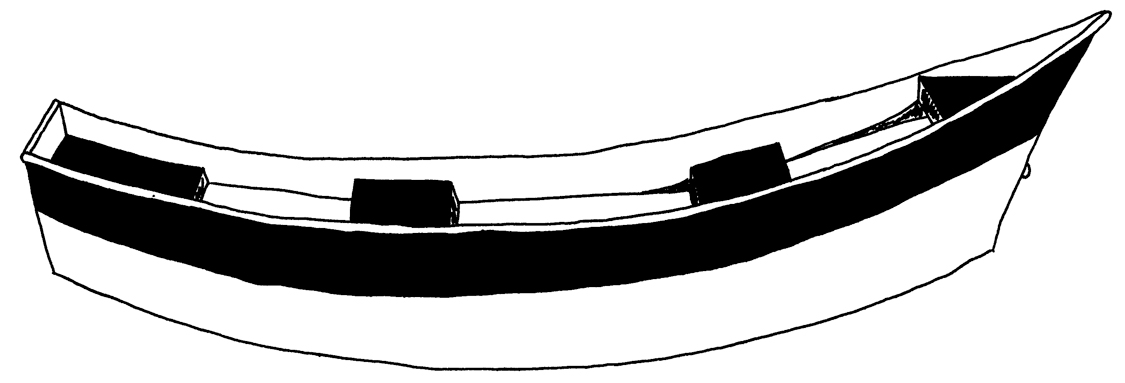
The cover rises at both ends for the upswept hull; stern beam and centered anchor-davit clearance determine the rear cut. | Select |
|
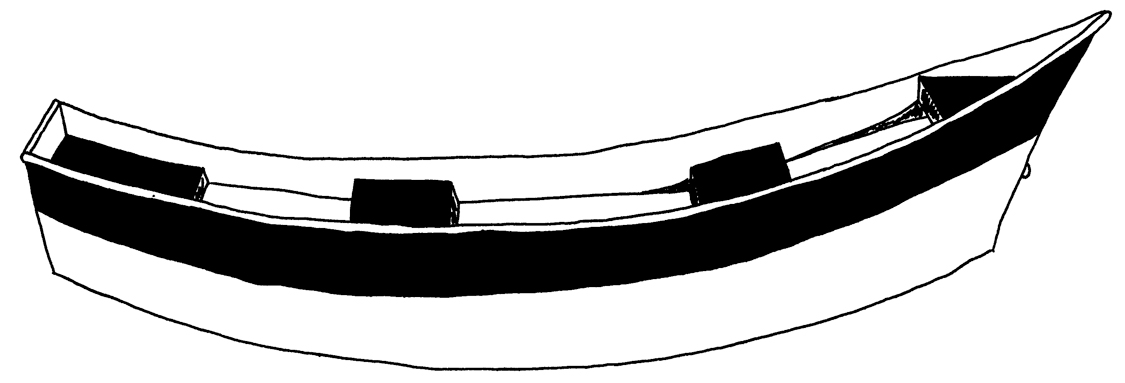
An attached wraparound bow panel adds trailering protection at the nose beyond the coverage of a standard storage cover. | Select |
|
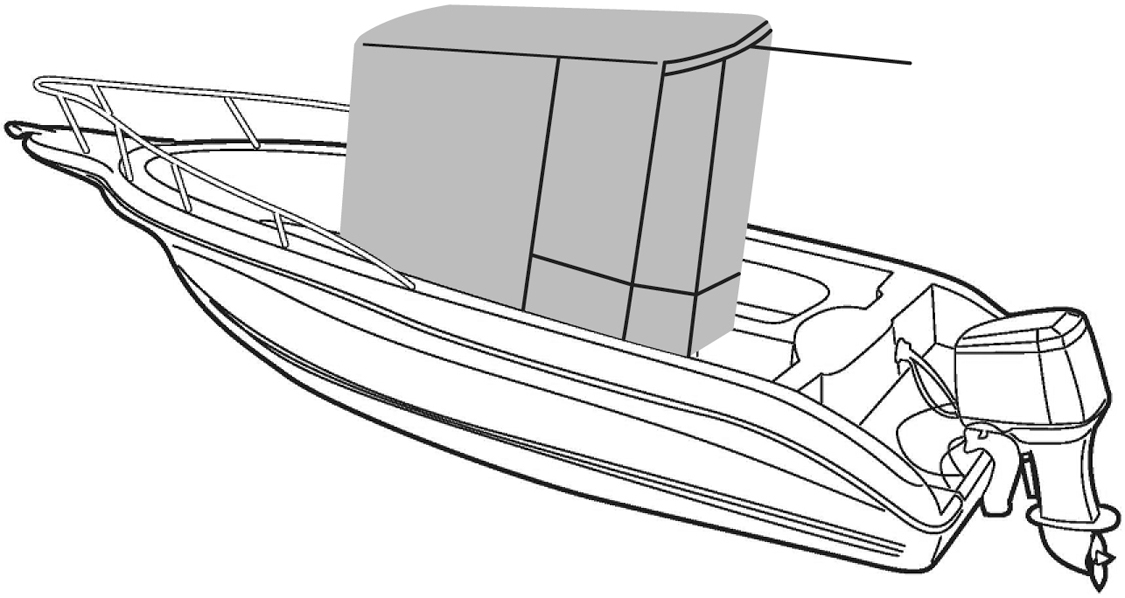
The cover pattern is shaped around fixed top supports so the T-top or hard top can remain standing. | Select |
Ski & Wake Boats
Low-profile ski boats and tower-equipped tow boats.
| Style | Why the Cover Differs | Select |
|---|---|---|
|
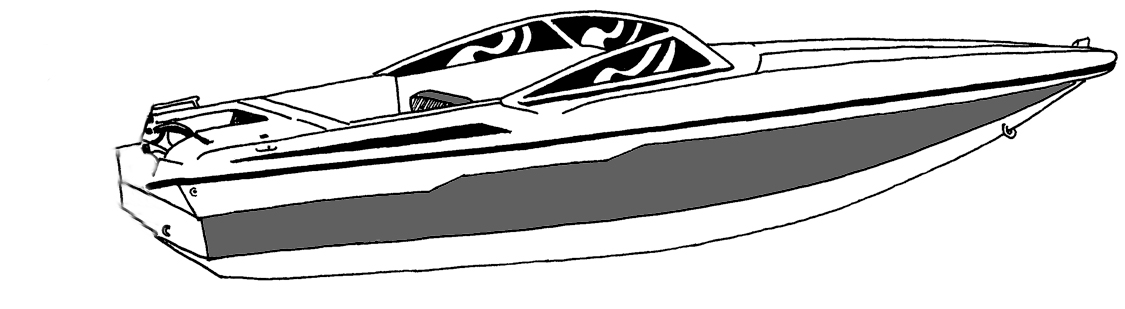
The low windshield and compact cockpit use a shallow cut that avoids the extra cover height of a standard runabout. | Select |
|
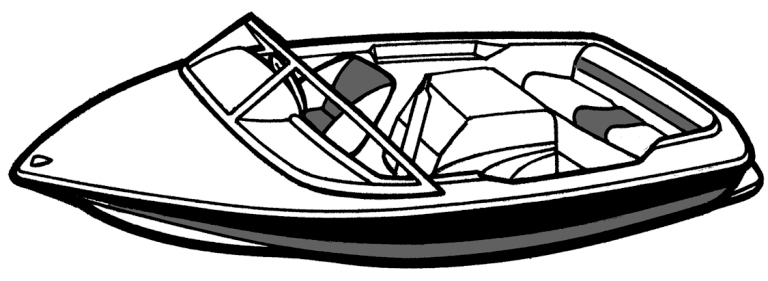
The low inboard cover pattern is shaped around the ski pylon, with narrower cuts for slim tournament hulls. | Select |
|
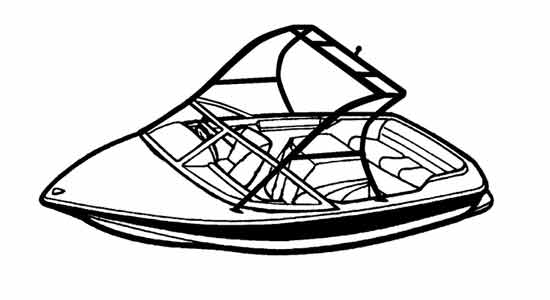
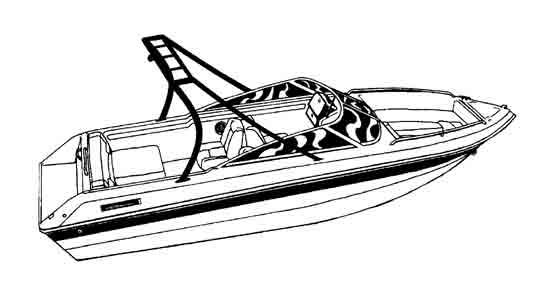
Reinforced cover slots wrap around the fixed tower legs so the fabric can fit below the wake or ski tower. | Select |
|
Tower-leg openings are positioned in the V-hull runabout cover rather than the narrower pattern used for tournament inboards. | Select |
Deck & Pontoon Boats
Wide deck layouts, pontoon rail configurations, and hard tops.
| Style | Why the Cover Differs | Select |
|---|---|---|
|
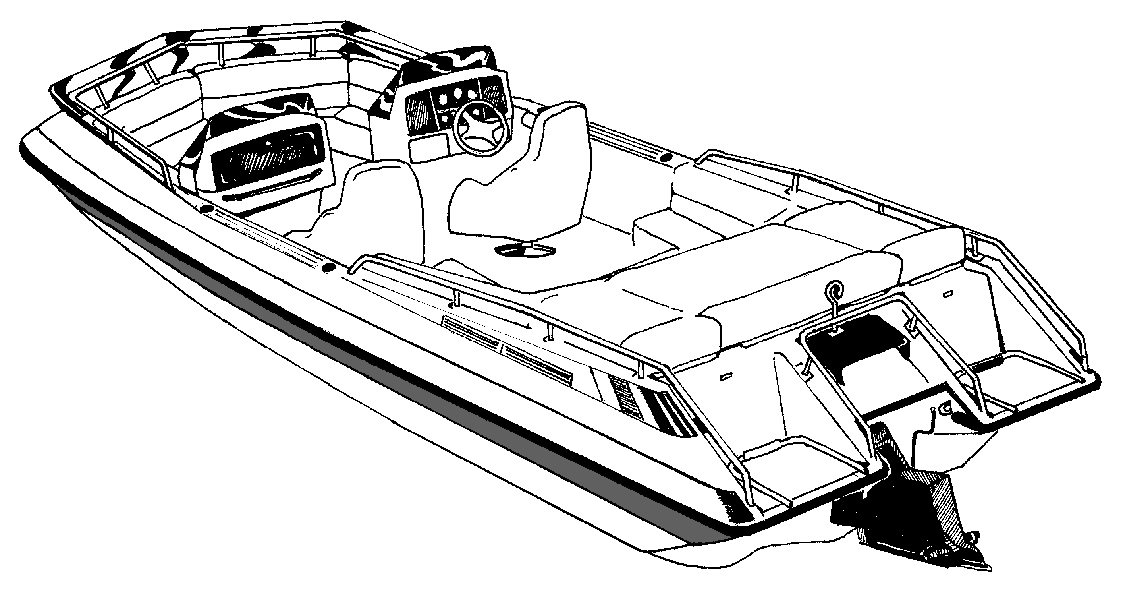
The wide bow needs broad deck coverage, while the low rails allow a flatter cut without windshield, console, or tower height. | Select |
|
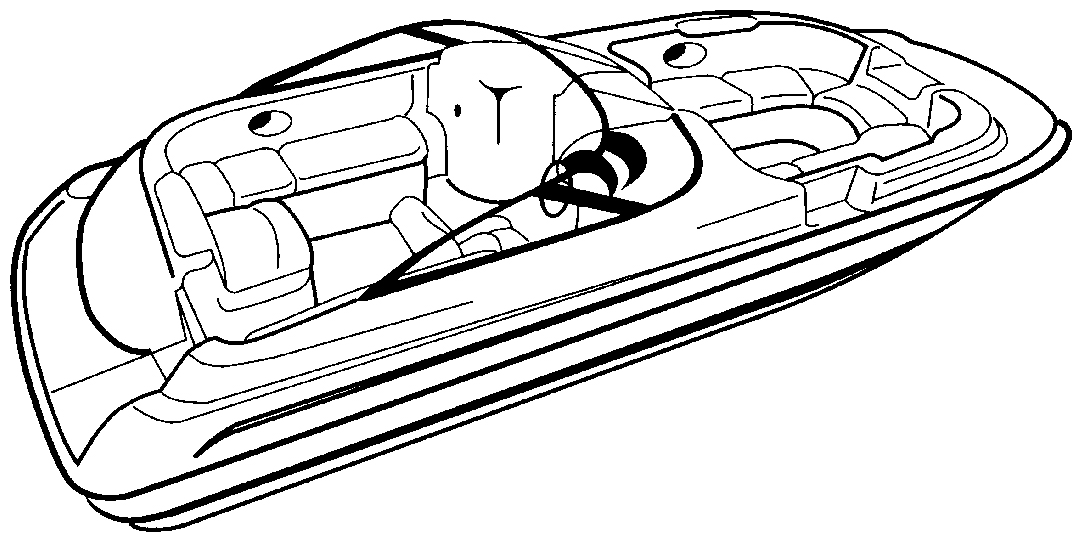
Extra cover height is shaped over the windshield or side console while preserving broad coverage across the deck-boat bow. | Select |
|
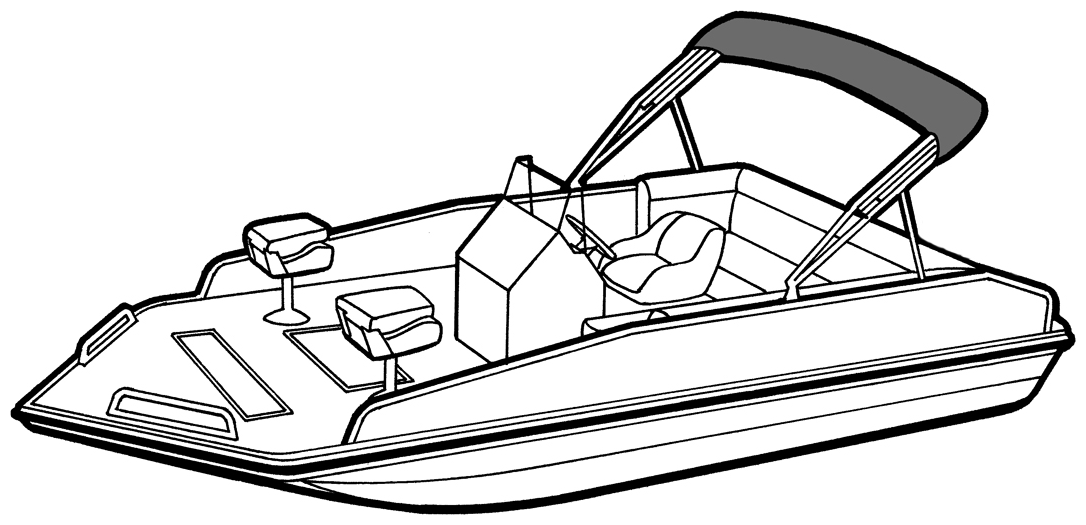
The sharper modified-V bow and lower performance profile require a more tapered cut than a conventional wide-bow deck cover. | Select |
|
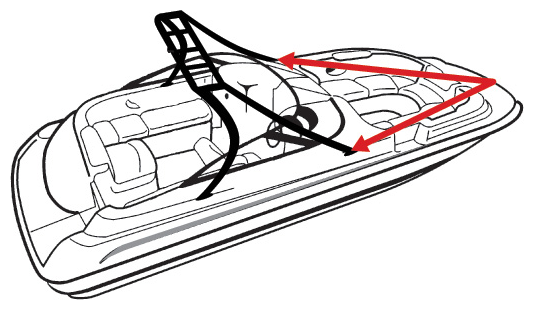
Reinforced tower slots are added to the wide deck-boat cover so it fits around the fixed tower legs. | Select |
|
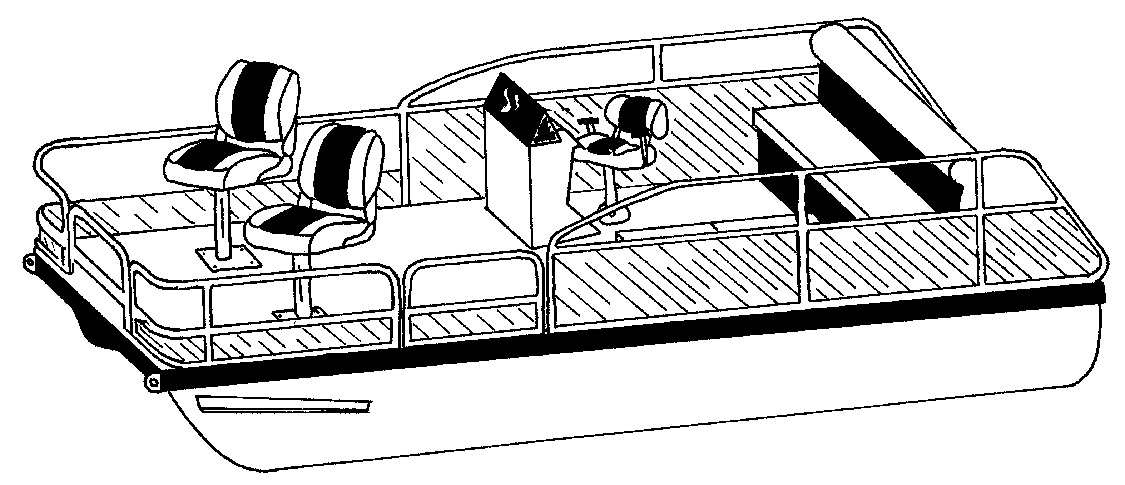
The rear cover cut stays lower over the open aft area and fishing chairs instead of following a full rail enclosure. | Select |
|
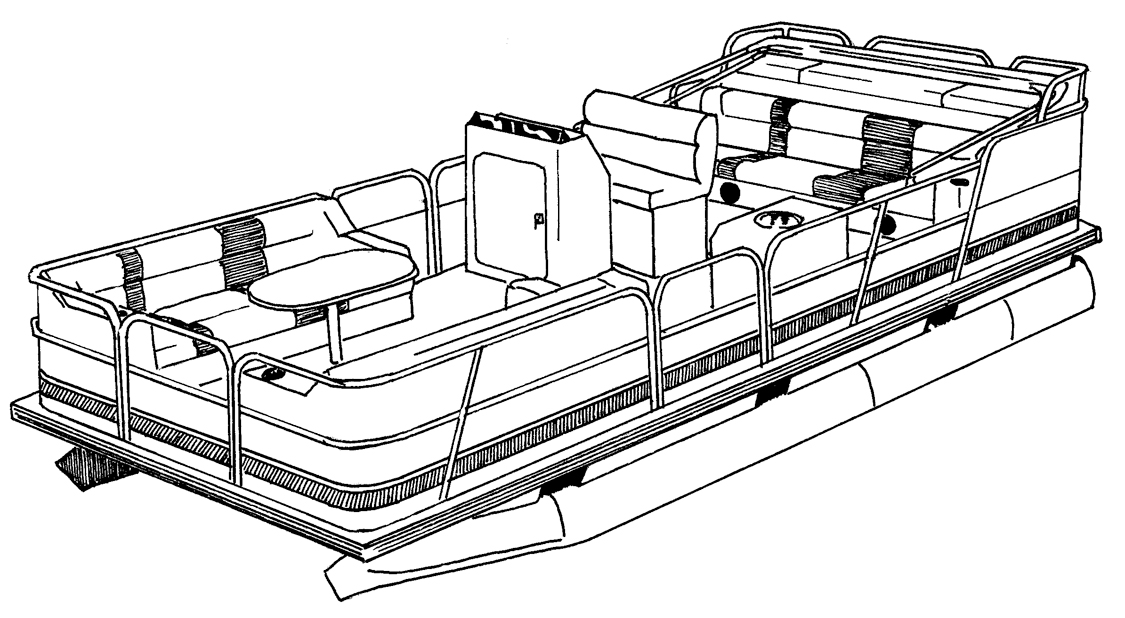
The cover maintains rail-height coverage around nearly the entire deck because the enclosure continues toward both ends. | Select |
|
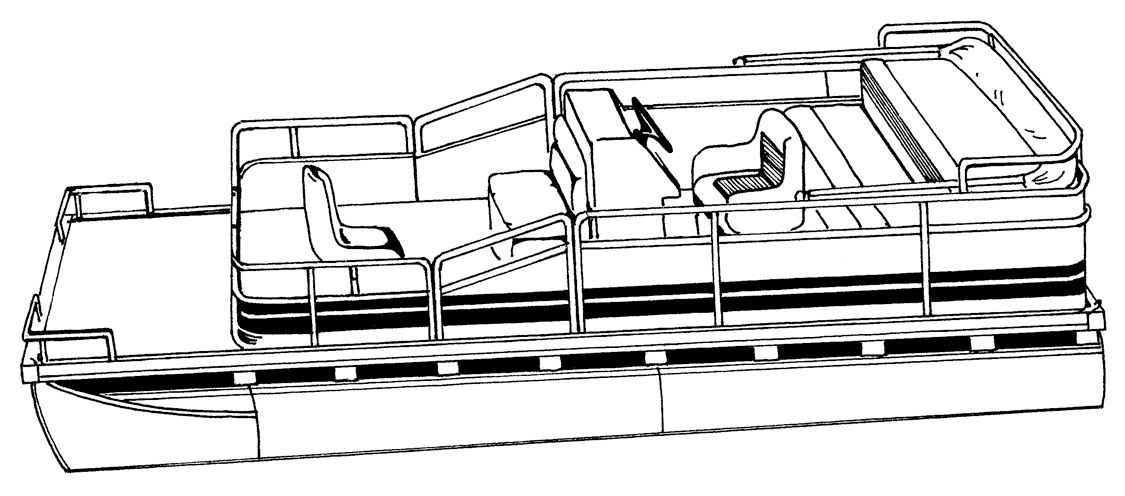
The front cover cut drops from rail height to the exposed deck, so the open bow length changes the fit. | Select |
|
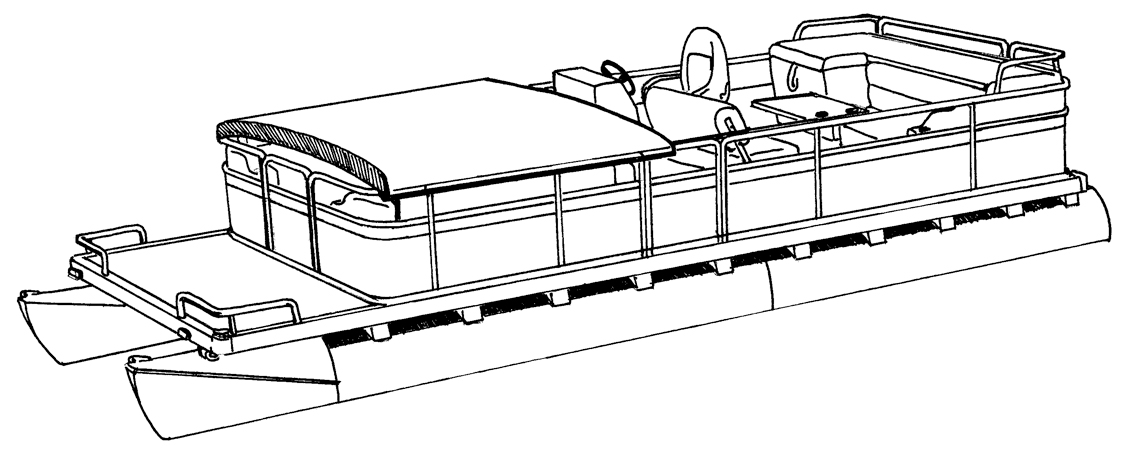
Additional cover height and shaping fit over the folded rigid top without forcing the fabric against its edges. | Select |
Inflatables & Small Craft
Inflatables, RIBs, paddle boats, and other compact craft.
| Style | Why the Cover Differs | Select |
|---|---|---|
|
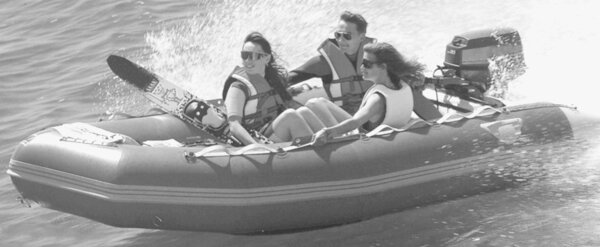
The tapered front cover cut follows the pointed bow, while tube width and overall length control perimeter reach. | Select |
|
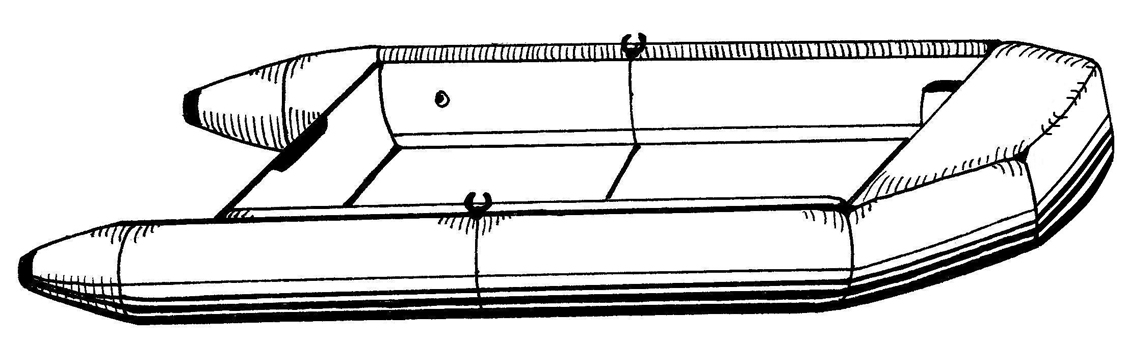
A broader rounded front panel follows the blunt bow instead of tapering to the point used for sport-inflatable covers. | Select |
|
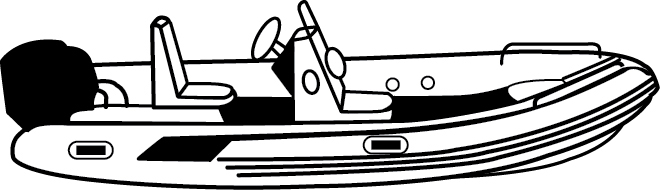
The pattern adds vertical cover room over the permanent console while retaining the tapered bow cut of a sport inflatable. | Select |
|
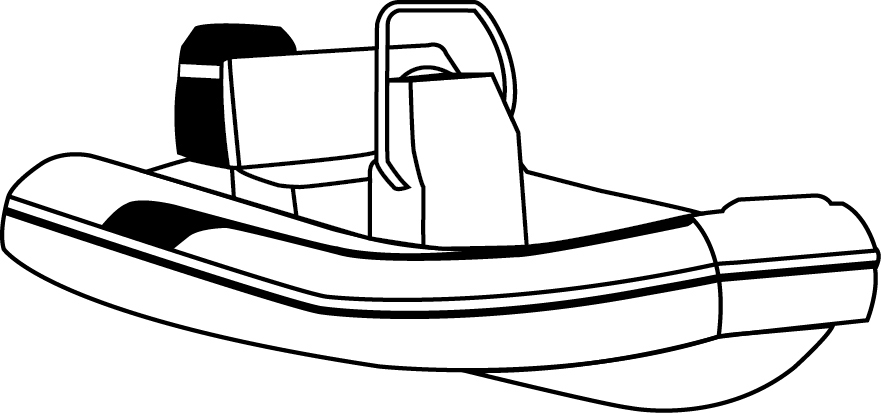
The front cover stays broad for the blunt bow and the center section rises to the selected console-height range. | Select |
|
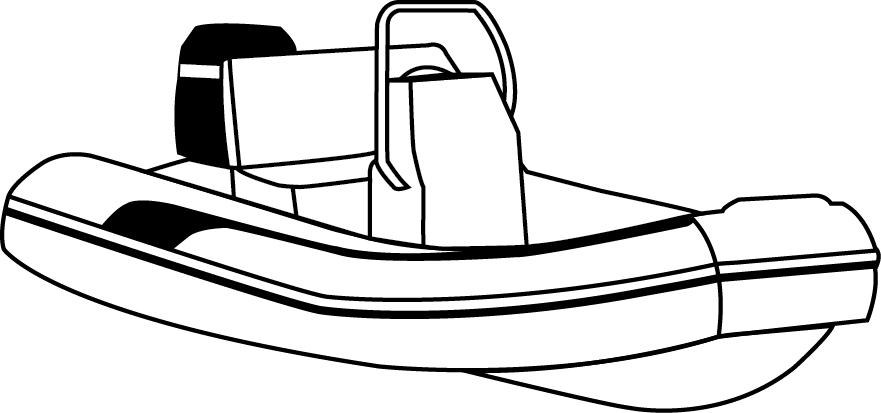
A draw-rope hem tightens the travel cover around the hull instead of using the shock-cord perimeter found on standard inflatable covers. | Select |
|
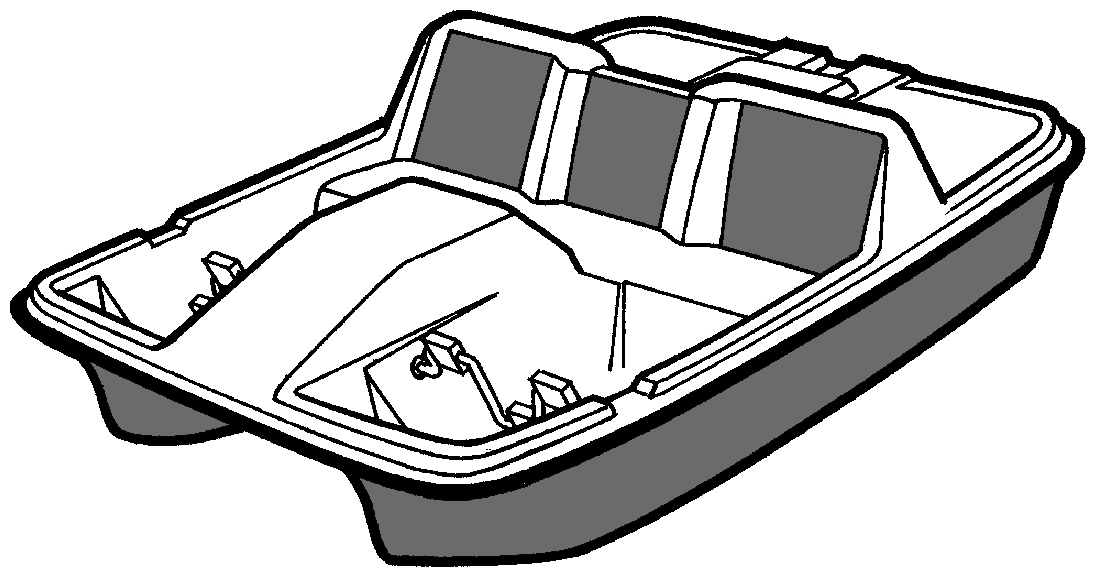
The molded seat backs and pedal-well profile require shaped cover panels rather than a simple flat small-craft cover. | Select |
No available styles match that search. Try a broader feature or clear the search.